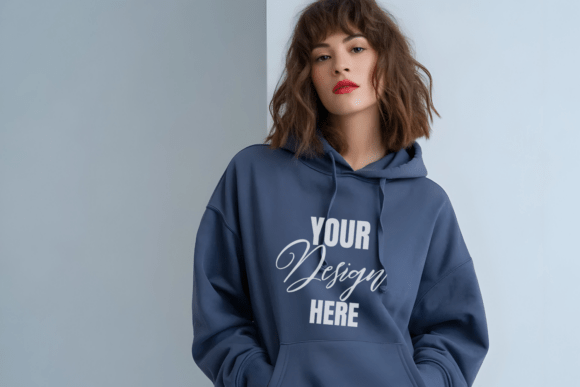
Gildan 18500 Hoodie Mockup: A Designer’s Review
As an embroidery designer who has spent countless hours staring at digitized files and even more hours watching needles punch through fabric, I have learned to be skeptical of digital assets. We often judge a machine embroidery design by its stitch count or color palette, but we rarely give enough thought to how it is presented before the first stitch is even made. This is where the Gildan 18500 Hoodie Mockup enters the conversation. It is not just a pretty picture; it is a critical tool for visualizing the final outcome of your hard work.
When I first opened this file, my immediate impression was one of structural honesty. The mockup does not try to hide the weight and texture of the garment. For those of us creating custom apparel or running a small craft business, accuracy is everything. Clients do not buy flat JPEGs; they buy the promise of a tangible, high-quality product. Seeing your design on a realistic representation of a Gildan 18500—a staple in the industry for its heavy blend and durability—helps bridge the gap between digital concept and physical reality.
Visualizing the Stitch on Heavy Blend Fabric
The Gildan 18500 is known for its thick, cozy feel. When you are digitizing or selecting an embroidery file for this type of garment, you must consider how the design interacts with the fabric texture. A delicate running stitch might get lost in the fleece lining, while a dense fill stitch could cause puckering if not properly stabilized. Using this mockup allows you to preview these interactions.
I recently worked on a project for a local boutique that specialized in sweatshirt embroidery for corporate teams. The client wanted a logo with fine details placed on the left chest. By placing the design into the Gildan 18500 Hoodie Mockup, I could immediately see that the original scale was too small. The details would blur once stitched into the thick fabric. Adjusting the size in the mockup phase saved me from wasting expensive thread and stabilizer on a test run that was destined to fail. This kind of practical insight is invaluable for maintaining brand consistency and professionalism.
Real-World Application: The Holiday Gift Rush
Consider the holiday season, a peak time for Etsy sellers and handmade shop owners. You might be preparing a batch of personalized gifts, such as monogrammed hoodies for family reunions. The pressure to deliver high-quality previews to customers is immense. A flat, two-dimensional image of your design does not convey the warmth or quality of the finished item.
Using Product Mockups like this one helps you create listings that stand out. When a customer sees their name embroidered on a realistic hoodie, they can visualize wearing it. This increases buyer engagement and trust. It transforms a simple digital embroidery file purchase or custom order into an emotional connection. I have found that listings using high-quality mockups often have higher conversion rates because they reduce the cognitive load for the buyer. They do not have to guess what the product will look like; you are showing them.
Navigating Design Constraints and Placement
While the mockup is a powerful tool, it also highlights limitations. The Gildan 18500 has a specific cut and seam structure. If you are designing an applique design or a large back piece, you need to ensure your artwork respects the hood and the pocket area. The mockup clearly shows these boundaries.
There are areas where you must use caution. For instance, if you are working with dark fabric, contrast becomes key. The mockup allows you to test different thread colors against the garment color before you commit to stitching. I recommend testing your design in black and white within the mockup environment to check for value contrast. If the design disappears in grayscale, it will likely lack definition when stitched.
Additionally, consider the hoop size constraints. While the mockup shows the full garment, your machine may have limits. Always confirm that your design fits within your available hoop dimensions. Do not assume that because it looks good on the screen, it will fit in your 5x7 or 6x10 hoop without resizing. Resizing can alter stitch density, so always check the technical specs of your embroidery project after any adjustments.
Practical Notes for the Serious Designer
To get the most out of the Gildan 18500 Hoodie Mockup, integrate it into your pre-production workflow. Here are a few steps I take before finalizing any client proof:
- Test on Scrap Fabric: Never skip this step. The mockup is a guide, not a guarantee. Stitch out your design on a similar weight fabric to check for tension issues.
- Check Stabilizer Needs: Heavy hoodies often require a cut-away stabilizer to prevent distortion. Ensure your design accounts for this added bulk.
- Verify Licensing: Before selling finished items or using the mockup in commercial ads, confirm the license terms. Some assets are for personal use only, while others allow commercial application.
- Compare Backgrounds: View your design on both light and dark versions of the mockup. This ensures your thread colors pop regardless of the garment choice.
- Inspect Small Details: Zoom in on the mockup. Are the tiny elements of your embroidered patch or logo clear? If they look muddy here, they will look worse in thread.
Elevating Your Brand Presentation
In the world of small shop products and design assets, presentation is half the battle. Whether you are selling the digital embroidery file itself or the finished product, the visual appeal matters. The Gildan 18500 Hoodie Mockup provides a clean, professional canvas that elevates your work. It signals to your customers that you pay attention to detail and care about the final aesthetic.
For commercial embroidery projects, this level of polish can justify higher price points. It moves your offering from "homemade" to "handcrafted professional." When clients see a realistic representation of their logo on a premium garment, they perceive higher value. This perception builds customer trust and encourages repeat business.
Ultimately, tools like this are about reducing risk and increasing confidence. They allow you to experiment with placement, scale, and color without wasting materials. As you continue to build your portfolio of tote bag designs, baby embroidery patterns, or holiday embroidery specials, incorporating realistic mockups into your process will streamline your workflow and enhance your brand identity.
Remember, the goal is not just to sell a design, but to sell the vision of what that design becomes. The Gildan 18500 Hoodie Mockup is a reliable partner in that journey, helping you translate digital creativity into tangible success. Keep your stabilizer handy, your threads organized, and your previews realistic. Your customers—and your bottom line—will thank you.