Review: Christmas Reindeer Embroidery Design for Real Projects
As a designer who has spent countless hours staring at digitized files and watching needles punch through fabric, I have learned that not all holiday motifs are created equal. When I first loaded the Christmas Reindeer Embroidery Design into my editing software, I was looking for more than just a cute seasonal graphic. I was evaluating its viability for actual client work, boutique inventory, and personal gifts. The initial impression is promising; the silhouette is clean, avoiding the cluttered look that often plagues holiday digitizing. It strikes a balance between whimsical charm and professional simplicity, which is exactly what modern buyers tend to prefer over overly complex, dated aesthetics.
First Impressions and Visual Personality
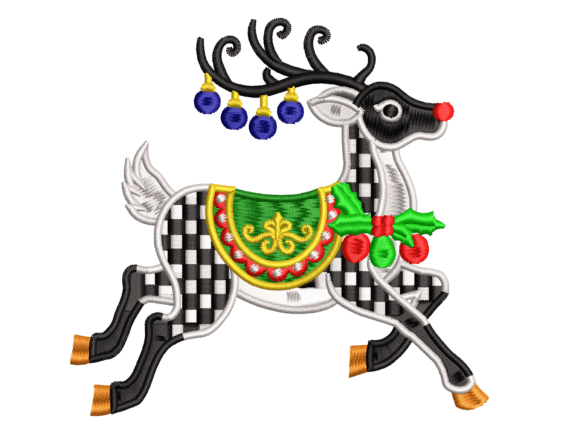
The mood this design creates is warm and nostalgic without being kitschy. The layout feels balanced, with a visual weight that suggests it will sit well on various garment types. For embroidery designers, the distinction between satin stitch borders and fill stitch areas is crucial. In this case, the transition appears smooth, suggesting that the digitizer considered thread pull and fabric distortion. The level of detail is moderate, which is a smart choice. Too much detail in a small reindeer motif can lead to stitching errors or a muddy appearance after washing, while too little can look amateurish. This design lands in a sweet spot where the features are recognizable and crisp, even from a distance.
Real-World Application: The Custom Tote Bag Test
To truly understand how a machine embroidery design performs, you have to move beyond the screen. I recently used this file for a batch of custom canvas tote bags intended for a local holiday market. Canvas is a sturdy fabric, but it has a distinct texture that can interfere with fine details. I paired the design with a medium-weight cut-away stabilizer to ensure stability during the stitching process. The result was impressive. The reindeer stood out clearly against the natural beige background, especially when using deep forest green and rich burgundy thread colors.
This scenario highlights why this design works well for handmade product lines. It is versatile enough to serve as a focal point on a tote bag design or as a subtle accent on a larger item. Customers reacting to the finished bags noted the clean lines and the professional finish, which directly impacts perceived value. For an Etsy seller or small shop owner, this kind of reliability is essential. You do not want to spend hours hooping and stitching only to have the design pucker or lose definition.
Versatility Across Product Categories
Beyond totes, I evaluated how this asset fits into other common categories. For sweatshirt embroidery, the design scales beautifully. On a crewneck, placed on the left chest, it acts as a sophisticated brand marker or personal touch. Because the stitch density is managed well, it does not create a heavy, stiff patch that makes the garment uncomfortable to wear. This is a critical consideration for custom apparel intended for daily use.
For baby embroidery projects, such as onesies or burp cloths, the softness of the lines is advantageous. However, caution is needed regarding thread choice. Using softer rayon or polyester threads in pastel shades can transform the vibe from traditional holiday to gentle nursery decor. It also works effectively as an embroidered patch if you utilize a dense satin border, allowing it to be ironed or sewn onto denim jackets or backpacks later. This adaptability makes it a valuable addition to your library of design assets.
Technical Considerations and Fabric Challenges
While the design is robust, it is not without its limitations. Experienced crafters know that certain fabrics demand extra attention. When working with stretchy fabric like jersey knits for t-shirts, the risk of distortion is higher. I recommend using a strong tear-away or cut-away stabilizer depending on the garment's longevity requirements. If you are stitching on dark fabric, contrast becomes your primary tool. A dark brown reindeer on a black sweatshirt will vanish. In such cases, consider adding a light-colored backing or choosing thread colors that pop, such as cream or bright red.
Curved surfaces, such as caps or hats, present another challenge. The reindeer’s antlers, if too detailed, might cause thread breaks or nesting if the hoop tension is not perfect. I advise testing the design on a scrap piece of similar material before committing to the final finished product. Check the small corners and sharp turns in the digitizing preview. If the stitch density seems too high in those areas, you may need to adjust the settings in your software or choose a slightly larger hoop size to allow for better stabilization.
Commercial Viability and Brand Consistency
For those running a craft business, consistency is key. This Christmas Reindeer Embroidery Design offers a professional look that builds customer trust. When buyers see clean, well-executed stitching, they associate that quality with your brand. It enhances the giftability of items, making them attractive for personalized gift orders during the busy holiday season. Whether you are creating holiday embroidery for kitchen towels or aprons, the design maintains its clarity.
It is also worth noting the importance of licensing. Before selling any commercial embroidery items, always verify the license terms associated with the digital embroidery file. Some creators allow unlimited sales of physical items, while others have restrictions. Ensuring you are compliant protects your business and respects the original artist’s work. Additionally, creating printable mockup images using this design can help boost engagement on social media, giving potential customers a clear idea of how the item will look in their home or wardrobe.
Final Designer Notes
Before you begin your next project, take a moment to review the technical specs. Confirm the available hoop size options to ensure the design fits your machine’s capabilities. Test different thread colors to see how they interact with your chosen fabric texture. A quick test on scrap fabric can save you from costly mistakes. Remember, the goal is to create a piece that feels intentional and high-quality. This design provides a solid foundation for that, offering flexibility across various applications from small shop product lines to one-off custom orders. By paying attention to stabilizer choice and thread contrast, you can maximize the visual appeal and durability of your work.