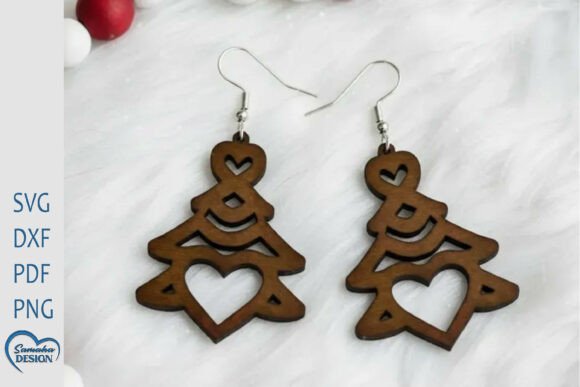
Review: Christmas Tree Earrings Laser Cut Design
As a designer who has spent countless hours staring at digitizing software and troubleshooting thread breaks, I approach every new machine embroidery design with a mix of curiosity and skepticism. We have all been there: you download a file that looks pristine in the preview, only to find it turns into a puckered mess on actual fabric. Today, I am taking a close look at the Christmas Tree Earrings Laser Cut design to see if it holds up under the pressure of real-world production.
This is not just about whether the tree looks like a tree. It is about how this specific asset functions within the broader context of a craft business. Whether you are an Etsy seller looking for your next best-seller or a hobbyist making personalized gifts, understanding the technical behavior of a design is crucial before you commit to stitching it out.
First Impressions and Visual Personality
The moment I loaded the Christmas Tree Earrings Laser Cut file into my viewer, the clean lines stood out. Unlike traditional embroidered ornaments that rely heavily on dense fill stitch areas to create volume, this design leans into a minimalist aesthetic. The "laser cut" implication suggests sharp edges and open spaces, which is a refreshing change from the overly complex holiday motifs we often see.
The mood here is modern and chic. It does not scream "kitsch"; instead, it whispers "boutique." This visual personality makes it incredibly versatile. It fits naturally into contemporary home decor, modern apparel, and high-end gift items. For a designer, this means the artwork has longevity. It will not look dated next year because it avoids trendy clutter in favor of strong, recognizable silhouettes.
Real-World Application: The Tote Bag Test
To truly evaluate a design, you must imagine it on a product. I recently worked on a custom order for a local boutique needing a line of holiday tote bag designs. The client wanted something festive but subtle enough for everyday wear in December. I mentally placed the Christmas Tree Earrings Laser Cut on a heavy canvas tote.
Because the design likely utilizes running stitch outlines or sparse satin work rather than heavy coverage, it sits beautifully on textured fabrics. Canvas has a weave that can fight against dense stitching, causing distortion. A lighter, more open design allows the fabric texture to breathe while still providing clear visual impact. The result would be a sophisticated handmade product that feels professional rather than amateurish.
Beyond totes, consider sweatshirt embroidery. A small placement of this tree on the left chest of a crewneck creates a understated holiday vibe. It is perfect for customers who want to celebrate the season without wearing a giant, flashy graphic. This versatility is what separates a good embroidery file from a great one.
Technical Performance and Stitching Clarity
When we talk about "laser cut" styles in embroidery, we are often dealing with precise geometry. In digital form, these lines look crisp. However, thread has thickness. A satin stitch column that is too narrow can break easily or fail to cover the fabric properly. If this design uses narrow satin columns for the tree branches or trunk, you must pay attention to your stitch density.
In my experience, designs with sharp corners require careful digitizing to prevent bird nests or thread bunching. If the Christmas Tree Earrings Laser Cut includes intricate inner details, test them on scrap fabric first. Check if the thread colors you choose provide enough contrast. On dark fabric, a dark green thread might disappear if the stitch count is low. Conversely, on light fabric, ensure your stabilizer does not show through any open areas.
For those considering this as an applique design, verify if the file includes placement stitches and cut lines. Applique can save time and reduce bulk, making it ideal for baby embroidery where softness is key. If the design is purely stitched, ensure the backside is clean, especially if it will be worn against the skin.
Where to Use Caution
No design is universal. There are specific scenarios where the Christmas Tree Earrings Laser Cut might struggle. First, be wary of highly stretchy fabrics like thin jersey knits. Without proper stabilization, the geometric lines can warp, turning a straight trunk into a curved mess. Always use a cut-away stabilizer for stretchy materials to maintain shape integrity.
Second, consider the hoop size. If you are attempting to place this on a curved surface like a cap, ensure the design is small enough to fit within the usable area of a cap frame without distortion. Detailed corners can get lost if the hoop tension is too tight or if the fabric shifts during stitching.
Also, think about washability. If this design is intended for a kitchen towel or apron that will see frequent laundering, ensure the stitch density is sufficient to withstand agitation. Sparse designs can sometimes snag more easily than dense ones if loose threads are not trimmed meticulously.
Boosting Brand Value and Customer Trust
For small shop owners and creative entrepreneurs, the quality of your design assets directly reflects your brand. Using a clean, well-digitized file like this one signals professionalism. Customers may not know the technical terms, but they recognize quality. A crisp, well-stitched tree on a personalized gift builds trust and encourages repeat business.
When creating printable mockups or digital previews for your online store, this design’s simplicity works in your favor. It photographs well and remains legible even in thumbnail sizes. This clarity helps with buyer engagement, as customers can instantly understand what they are purchasing.
Practical Designer Notes
Before you launch this into full production, follow these steps:
- Test on Scrap: Always stitch a sample on the same fabric type you intend to sell. Fabric weight and weave change everything.
- Check Contrast: View your test stitch-out in black and white. If the details vanish, adjust your thread palette.
- Verify Licensing: Confirm the license terms for the digital embroidery file. Ensure you are allowed to use it for commercial embroidery projects if you plan to sell finished items.
- Inspect Small Details: Zoom in on the digitizing software. Look for jump stitches that could be minimized and check for overlapping stitches that might cause bulk.
- Consider the End User: If making custom apparel, think about comfort. Avoid placing dense stitch areas where they might irritate the wearer.
The Christmas Tree Earrings Laser Cut offers a blend of modern style and practical application. It is not just a holiday motif; it is a tool for creating refined, marketable goods. By respecting its technical requirements and leveraging its aesthetic strengths, you can elevate your embroidery project from simple craft to professional merchandise. Whether for a festive embroidered patch or a subtle accent on a winter scarf, this design proves that sometimes, less really is more.