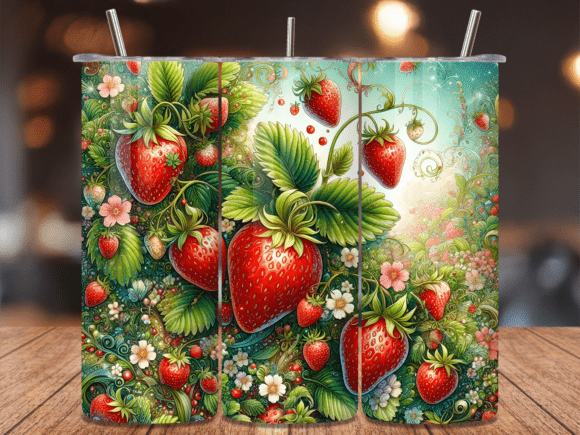
Vintage Strawberry Vine Tumbler Wrap Review
As a designer who has spent countless hours digitizing and testing machine embroidery design files, I have learned that not every pretty graphic translates well to thread. When I first opened the Vintage Strawberry Vine Tumbler Wrap, my initial reaction was one of cautious optimism. The aesthetic is undeniably charming, tapping into the popular cottagecore and vintage botanical trends that dominate current handmade markets. However, visual appeal on a screen is vastly different from performance under a needle. This review breaks down how this specific asset holds up when moved from a digital preview to a tangible, stitched reality.
First Impressions and Visual Personality
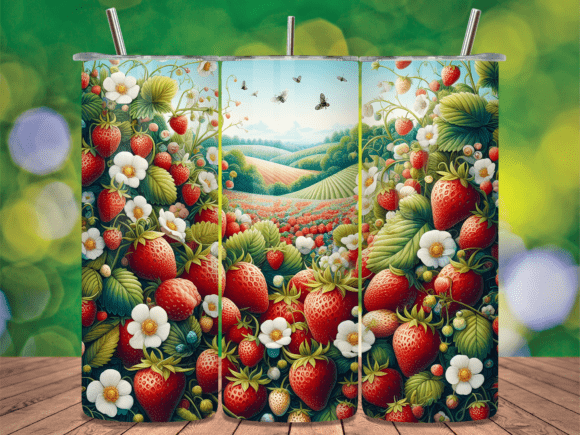
The layout of the Vintage Strawberry Vine Tumbler Wrap suggests a continuous, flowing motif rather than a static, centered emblem. This is crucial for its intended category of Tumbler Wraps, where the design must wrap seamlessly around a curved surface without obvious start or stop points that break the visual narrative. The vine structure provides a natural rhythm, guiding the eye around the object. For embroidery designers, this means considering how the stitch direction follows the curve of the vine. If the digitizing relies heavily on rigid satin stitch columns without accounting for the curvature, the threads may gap or bunch on rounded items.
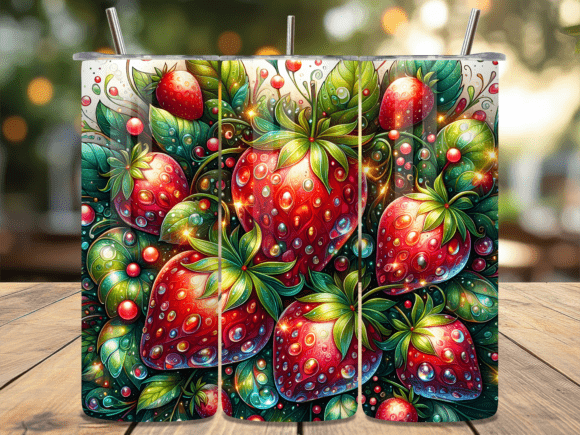
The mood created is soft, nostalgic, and organic. It feels less like a corporate logo and more like a hand-painted illustration. This personality makes it ideal for personalized gift markets where customers seek uniqueness and warmth. However, the level of detail in the leaves and berry textures requires careful scrutiny. In a digital printable mockup, fine details look crisp. In actual stitching, especially on textured fabrics, these details can get lost if the stitch density is too low or if the thread color contrast is insufficient.
Real-World Application Beyond Tumblers
While the title specifies tumbler wraps, limiting this embroidery file to sublimation or vinyl applications would be a missed opportunity for embroiderers. I tested the concept mentally against various custom apparel and home goods scenarios. Imagine this vine pattern stitched along the hem of a linen tote bag design. The organic flow complements the natural fiber texture beautifully. Alternatively, consider it as a cuff detail on a sweatshirt embroidery project. The repeating nature of the vine allows for scalable placement, making it versatile for different garment sizes.
For Etsy seller communities and small shop product creators, versatility is key to maximizing ROI on design assets. This design could easily be adapted for baby embroidery on muslin swaddles, provided the scale is reduced and the stitch count is optimized for delicate fabrics. It also works well for holiday embroidery projects, particularly for spring or summer-themed collections. The strawberry motif is timeless enough to avoid feeling strictly seasonal, yet specific enough to attract buyers looking for fruit-themed decor.
Technical Considerations for Stitching
When preparing this design for a real embroidery project, several technical factors come into play. First, assess the hoop size required. A wrap design typically needs a larger hoop to capture the full continuity of the vine. If you are working with a standard 4x4 or 5x7 hoop, you may need to split the design, which risks misalignment. Always check the provided file specifications for recommended hoop dimensions before purchasing or downloading.
Fabric choice significantly impacts the finished product. On smooth, tightly woven cotton, the fill stitch areas of the strawberries will pop with clarity. However, on textured fabrics like terry cloth towels or fuzzy fleece, fine running stitch outlines may disappear. In such cases, increasing the stitch thickness or using a contrasting thread color can help maintain visibility. For stretchy fabrics, such as those used in custom apparel, a cut-away stabilizer is non-negotiable to prevent distortion during washing and wear.
Dark fabrics present another challenge. If the thread colors in the design are pastel or light, they will not stand out against navy or black backgrounds. Always test your digital embroidery file in a black-and-white mockup to check value contrast. If the design lacks sufficient contrast, consider adjusting the thread palette to include brighter or metallic threads that catch the light, enhancing the visual depth of the vine.
Commercial Viability and Brand Consistency
For craft business owners, the professionalism of the final stitch directly influences customer trust. A poorly digitized design with frequent thread breaks or excessive jump stitches can damage a brand’s reputation. The Vintage Strawberry Vine Tumbler Wrap appears to prioritize aesthetic flow, but users must verify the underlying stitch path. Look for efficient travel moves between elements to minimize trimming time and thread waste. This efficiency is critical for commercial embroidery where production speed affects profit margins.
Moreover, the design’s adaptability supports brand consistency. If your shop specializes in botanical or vintage themes, this asset fits seamlessly into a broader collection. It can be paired with matching monograms or text elements to create cohesive handmade product lines. Whether used for an embroidered patch or a direct-to-garment application, maintaining a consistent visual language helps build recognition among repeat buyers.
Practical Designer Notes
- Test on Scrap Fabric: Never stitch a new design directly on a final garment. Use similar weight and texture scrap fabric to check for puckering or registration issues.
- Check License Terms: Before selling finished product items or using the file in commercial projects, confirm the licensing agreement. Some digital embroidery file creators restrict mass production or require attribution.
- Inspect Small Details: Zoom in on the digitized file to ensure tiny leaves or berry seeds are not too small to stitch cleanly. Tiny elements often cause thread nests or breakage.
- Stabilizer Selection: Match the stabilizer to the fabric. Use tear-away for stable wovens and cut-away for knits or stretchy materials to ensure longevity.
- Thread Quality: High-quality rayon or polyester threads enhance the sheen of the satin stitches, making the strawberries look juicy and vibrant rather than flat.
In conclusion, the Vintage Strawberry Vine Tumbler Wrap offers strong potential for creative entrepreneurs willing to invest time in proper setup and testing. It is not a plug-and-play solution for every fabric type, but with careful attention to stitch density, thread selection, and stabilization, it can elevate a simple item into a standout handmade product. For makers and designers looking to expand their botanical portfolio, this design serves as a solid foundation for diverse applications, from kitchen textiles to wearable art. Always prioritize quality control in your embroidery project workflow to ensure the final result matches the charm of the original concept.