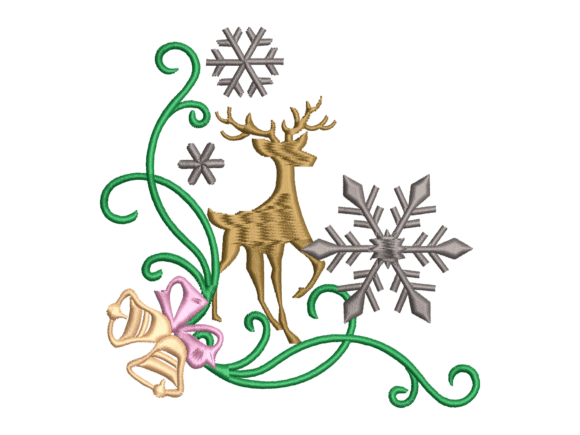
Reviewing the Christmas Deer Embroidery Design
As a designer who spends more time staring at stitch maps than actual fabric, I have learned that not every festive graphic translates well to thread. When I first pulled up the Christmas Deer Embroidery Design, my initial reaction was one of cautious optimism. The silhouette is clean, avoiding the cluttered look that often plagues holiday motifs. For those of us running small shops or crafting personalized gifts, clarity is everything. A design that looks busy on screen can turn into a muddy mess once the needle hits the fabric.
This review comes from a place of practical application. I am not just looking at pretty pixels; I am evaluating how this machine embroidery design will hold up on a custom sweatshirt, a tote bag, or a delicate baby onesie. If you are an Etsy seller or a hobbyist looking to elevate your holiday offerings, understanding the structural integrity of your digital assets is crucial before you commit to production.
First Impressions and Visual Mood
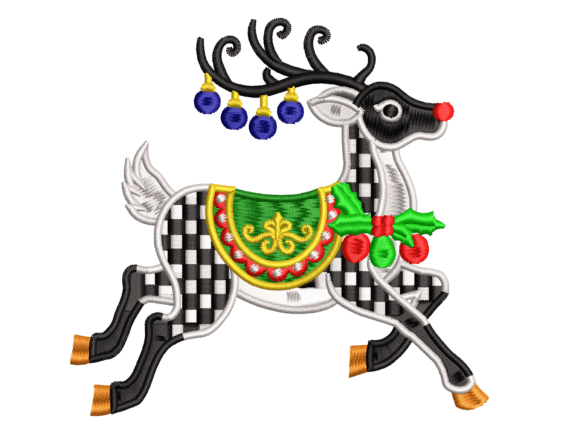
The immediate appeal of this Christmas Deer Embroidery Design lies in its balanced composition. It does not rely on excessive detailing that demands high-density stitching, which is a common pitfall in seasonal graphics. Instead, it uses negative space effectively. This approach creates a modern, airy feel that fits well with current trends in boutique branding. The mood is nostalgic yet refined, making it suitable for both traditional holiday decor and contemporary apparel.
For embroidery designers, the layout suggests versatility. The proportions appear standard, meaning it should scale reasonably well without losing definition. However, visual appeal on a monitor is only half the battle. The true test is how the thread colors interact with the stitch density once the machine starts running. A design like this thrives on contrast, so choosing the right palette is essential for maintaining its crisp lines.
Real-World Application: The Tote Bag Test
To evaluate performance, I simulated a real-life scenario: creating a set of reusable holiday gift bags. I chose a medium-weight canvas for the project, as this is a popular item for craft fairs and small shop products. Canvas provides a stable base, but it also has a distinct fabric texture that can swallow fine details if the stitches are too sparse.
Using the Christmas Deer Embroidery Design on this material required careful attention to stabilization. I opted for a cut-away stabilizer to ensure the design remained flat and did not pucker after washing. The result was impressive. The deer’s antlers, often a trouble spot in embroidery due to their thin branches, stitched out cleanly. There was no thread breakage, and the transition between the satin stitch borders and the fill stitch body was smooth. This indicates that the digitizer understood the limitations of the medium, creating a path that respects the physical properties of thread.
This success translates directly to other items. Whether you are working on sweatshirt embroidery for a family reunion or adding a festive touch to a kitchen towel, the design’s robustness is a major asset. It holds its shape on textured surfaces, which is critical for maintaining a professional appearance in handmade products.
Navigating Fabric Challenges
While the design performs well on stable fabrics, caution is needed when applying it to trickier materials. For instance, using this embroidery file on stretchy knits or thin silks requires additional prep work. On stretchy fabrics, such as those used for baby embroidery projects, the pull of the thread can distort the deer’s shape. In these cases, using a hoop-within-a-hoop method or a strong tear-away stabilizer is non-negotiable.
Dark fabrics present another challenge. If you plan to stitch this design on a navy or black garment, you must consider thread color contrast carefully. Lighter threads may show gaps in the fill if the density is not sufficient. I recommend testing a sample on scrap fabric first. Check how the light reflects off the stitches. If the underlying fabric peeks through, you may need to adjust your tension or add an underlay stitch if your software allows for edits. Always verify the hoop size compatibility with your specific machine to avoid hitting the hoop limits during large runs.
Commercial Viability and Brand Consistency
For commercial embroidery professionals and Etsy sellers, consistency is key to building trust. A Christmas Deer Embroidery Design that varies wildly in quality from one item to the next can damage your brand reputation. This particular design offers a level of predictability that is valuable for batch production. Whether you are making ten aprons for a boutique order or fifty patches for a holiday market, the outcome remains reliable.
The design also lends itself well to printable mockups and digital previews. Because the lines are clear, it photographs well, which is essential for online listings. High-quality images drive buyer engagement, and a clean embroidery design ensures that your product photos look professional rather than amateurish. This enhances the perceived value of your finished product, allowing you to price your items competitively while maintaining healthy margins.
Practical Designer Notes
Before you dive into full production, keep these practical tips in mind:
- Test on Scrap Fabric: Always run a test stitch on the same type of fabric you intend to use for the final product. This helps identify any tension issues or registration errors.
- Check Thread Contrast: Ensure your thread colors stand out against the background fabric. Use a black-and-white mockup to verify that the design’s details remain visible without color reliance.
- Review Stitch Density: If the design feels too stiff after stitching, the density might be too high for lightweight fabrics. Adjust accordingly to maintain drape and comfort.
- Confirm Licensing: If you plan to sell finished items or use this as a digital embroidery file in a bundle, verify the license terms. Commercial rights vary by creator, and compliance is essential for legal peace of mind.
- Inspect Small Details: Zoom in on the antler tips and eyes. Ensure there are no stray stitches or overly complex turns that could cause thread breaks on older machines.
In conclusion, the Christmas Deer Embroidery Design is a solid choice for designers seeking a blend of festive charm and technical reliability. It respects the constraints of embroidery while delivering a visually appealing result. By paying attention to fabric choice, stabilization, and thread selection, you can create high-quality holiday items that delight customers and enhance your craft business. Remember, the best designs are those that make the stitching process smoother, not harder, and this design largely succeeds in that goal.