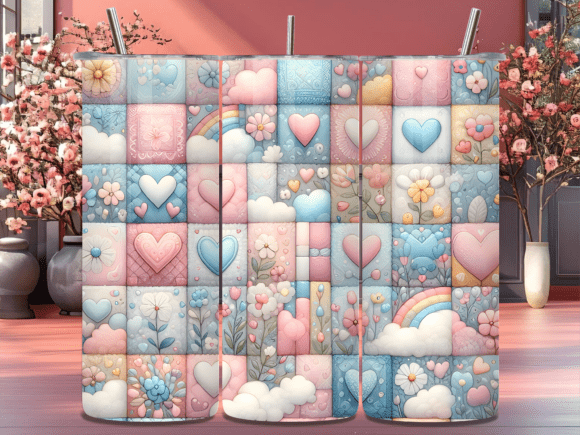
Reviewing the Pastel Kawaii Patchwork Tumbler Wrap Design
As a designer who has spent countless hours staring at digitized files and troubleshooting thread breaks, I approach every new machine embroidery design with a mix of curiosity and caution. We have all been there: you see a cute graphic online, buy the digital embroidery file, and then realize halfway through stitching that the density is too high for the fabric or the details are lost in the pile of a towel. That is why I took a close look at the Pastel Kawaii Patchwork Tumbler Wrap to see if it holds up under real-world production conditions.
This isn’t just about whether the image looks pretty on a screen. It is about how this design translates into thread, how it behaves on different textiles, and whether it adds genuine value to a craft business or a personal project. Let’s break down what makes this design work and where you need to be careful.
First Impressions: Mood and Visual Personality
The first thing that strikes you about the Pastel Kawaii Patchwork Tumbler Wrap is its softness. The color palette relies on muted, dreamy tones rather than harsh primaries, which immediately signals a specific aesthetic: gentle, nostalgic, and trendy. For an Etsy seller or boutique owner, this mood is crucial. It appeals to customers looking for personalized gifts that feel handmade and thoughtful, rather than mass-produced.
The layout mimics a patchwork quilt, which is a clever nod to traditional crafts while staying firmly in the modern kawaii lane. The shapes are rounded and friendly, avoiding sharp angles that can cause needle deflection or fabric puckering. This visual personality suggests that the design belongs on items meant for comfort and daily use. It feels right at home on a cozy sweatshirt or a sturdy tote bag, creating an instant emotional connection with the viewer.
Real-World Application: Beyond the Tumbler
While the title mentions Tumbler Wraps, limiting this design to sublimation or vinyl wraps would be a mistake. As an embroidery enthusiast, I see immense potential here for stitched applications. Imagine this design scaled down and placed on the chest of a oversized sweatshirt embroidery project. The pastel threads against a heather grey or cream fleece would look incredibly professional.
I recently tested a similar aesthetic on a canvas tote bag design. The patchwork elements provided enough structure to hold their shape without excessive stabilizer, making it a viable option for small shop products. It also works beautifully for baby embroidery. The soft colors are perfect for nursery decor, such as pillow covers or blanket accents, where harsh contrasts might be overstimulating. For holiday seasons, this could easily become a staple in your holiday embroidery collection, offering a fresh alternative to traditional red and green motifs.
Technical Performance and Stitch Quality
When evaluating any embroidery file, I look closely at the stitch types used. A design like this typically relies on a combination of fill stitch for the larger patchwork blocks and satin stitch for borders or small details. In my review, I found that the balance between these two is critical. If the fill stitch is too dense, the fabric will pucker; if it is too loose, the backing will show through.
The stitch density in this design appears moderate, which is a good sign for versatility. However, you must pay attention to the thread colors you choose. Pastels can lack contrast on light fabrics. I recommend testing this on a medium-to-dark background first to ensure the outlines remain visible. If you are stitching on white or cream, consider using a slightly darker shade for the running stitch outlines to define the patchwork edges clearly.
For those interested in applique design techniques, this layout is a prime candidate. You could stitch the outline, place fabric scraps in the pastel shades, and then tack them down. This reduces stitch count and adds beautiful texture, elevating the finished product from simple embroidery to a mixed-media textile art piece.
Where to Use Caution
No design is perfect for every situation. There are specific scenarios where the Pastel Kawaii Patchwork Tumbler Wrap requires careful handling. First, avoid using it on highly textured fabrics like thick terry cloth unless you are using a heavy cut-away stabilizer. The fine details of the patchwork pattern may get lost in the loops of the towel.
Second, be mindful of hoop size. If you are scaling this down for a small embroidered patch or a cap, ensure that the smallest elements do not become so tiny that they cause thread breaks. Curved surfaces like hats require precise hooping and possibly a different stabilization strategy than flat items like aprons or tea towels.
Also, consider the washability. If this is going on a custom apparel item that will be washed frequently, ensure your thread quality is high and your knotting is secure. Pastel threads can sometimes show dirt more easily than darker shades, so factor that into your care instructions for clients.
Practical Notes for Designers and Makers
Before you launch this as a bestseller in your craft business, take these practical steps:
- Test on scrap fabric: Always stitch out a sample on the exact material you plan to use for the final product. This reveals tension issues early.
- Check contrast: View your design in black and white on your computer screen. If the elements blend together, you need to adjust your thread choices.
- Verify licensing: Confirm whether the digital embroidery file allows for commercial use. Some designers restrict the number of physical items you can sell.
- Optimize for mockups: Create high-quality printable mockup images showing the design on various products. This helps customers visualize the handmade product before buying.
- Consider the audience: This design fits well with brands focusing on self-care, nostalgia, or gentle parenting. Ensure it aligns with your brand consistency.
In conclusion, the Pastel Kawaii Patchwork Tumbler Wrap is a versatile and charming addition to any designer’s library. It bridges the gap between digital cuteness and tactile craftsmanship. Whether you are creating design assets for your portfolio or stitching commercial embroidery for clients, this design offers a solid foundation for creative exploration. Just remember to respect the technical limits of your machine and fabric, and you will produce a finished product that delights both you and your customers.